 Liveaboard and leisure boaters share their routines for protecting pipes, engines, and morale through the canal's coldest months.


The Real Math Behind Slot RTP (And Why It Matters Less Than You Think)
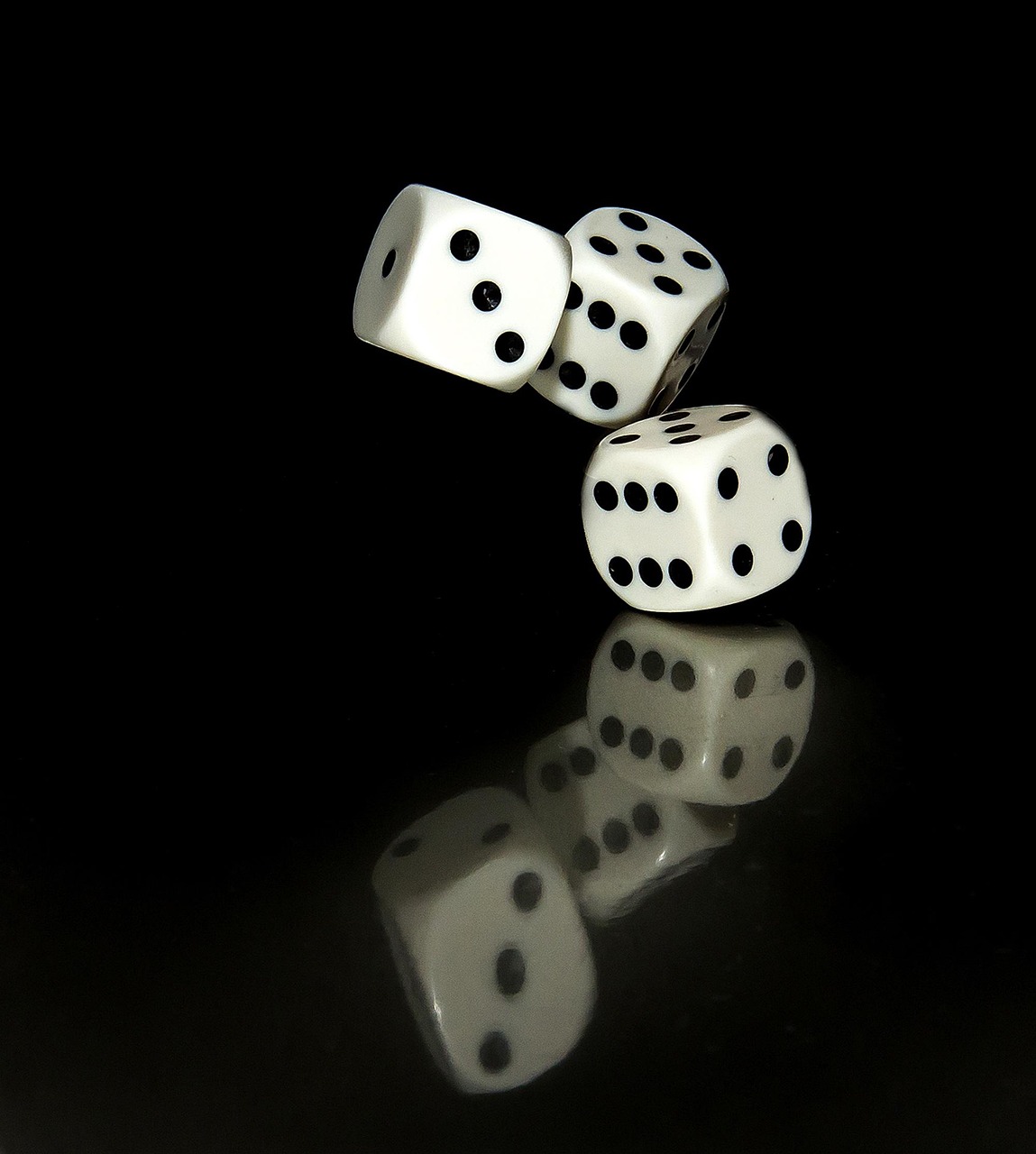
Every casino floor and online lobby is built on a single uncomfortable truth: the math always wins in the end. That doesn't mean every session is a losing session, or that skill is meaningless. But if you don't understand how the numbers actually work, you're not gambling — you're guessing. The good news is that a working knowledge of volatility, RTP, house edge, and game structure will make you a sharper player overnight, even if it can't promise you a jackpot.
RTP Is a Long-Run Average, Not a Promise
Return to Player, or RTP, is the percentage of all wagered money a game pays back over millions of spins. A 96% slot returns $96 for every $100 cycled through it. That sounds encouraging until you do the real math: if you play 1,000 spins at $1, you are cycling $1,000 through a machine with a theoretical loss of $40. The variance around that figure is enormous. You might walk away up $300 or down $600 on the same game in the same hour.
The critical detail most players miss is that RTP is calculated over an infinite sample. Your 200-spin session is statistical noise. This is why two players can have wildly different experiences on an identical machine — and why chasing a "hot" slot because it hasn't paid is a logical trap, not a strategy.
- 96% RTP is roughly the online industry standard for video slots.
- 97.3%–98% RTP is common in blackjack and some video poker variants.
- 94%–95% RTP is typical for land-based slots and many specialty games.
- 90% or below usually means a progressive jackpot contribution is eating the rest.
Volatility: The Number That Actually Shapes Your Session
If RTP tells you how much a game pays back, volatility tells you how it pays. A low-volatility slot like Starburst pays small amounts frequently — you'll feel like you're treading water. A high-volatility game like Bonanza or Money Train can go cold for 400 spins and then deliver a 2,000x multiplier in a single bonus round. Both might have similar RTP. Your bankroll experience will be completely different.
Here's the practical rule: match volatility to your bankroll and your temperament. Playing a high-volatility slot with a 50-unit bankroll is a recipe for a five-minute session. The same money on a low-volatility game might last 300 spins, giving you more entertainment per dollar.
A Quick Bankroll Rule of Thumb
- Choose a game and note its volatility rating.
- Multiply your average bet by 100 for low volatility, 200 for medium, 300+ for high.
- That figure should be your minimum session bankroll.
- Set a hard stop-loss before spin one — and stick to it.
Poker Is a Different Animal Entirely
Casino games are mathematical certainties wrapped in short-term randomness. Poker is the opposite: a game of incomplete information where skill determines your long-run edge, and variance determines how long "long-run" actually is.
A strong player might win 5 big blinds per 100 hands, but that same player can easily lose ten buy-ins in a weekend. The variance in no-limit hold'em is brutal and often underestimated. The key differentiators at the table are position, bet sizing discipline, and the ability to fold a good hand when the board texture says you're beaten. New players obsess over hole cards; experienced players obsess over ranges and pot odds.
If you're moving from slots to poker expecting the same randomness, you'll be humbled quickly. Poker rewards study, hand review, and bankroll management far more than luck over any meaningful sample size.
Betting Markets: Where the Edge Is Real but Tiny
Sports betting feels more skill-based than slots, and in some ways it is. But the bookmaker's margin — the vig — is baked into every price. A standard two-way market like an NFL point spread carries roughly a 4.5% hold. That means you need to win about 52.4% of your bets just to break even. Most recreational bettors hover around 50%, which is why the industry is so profitable. For up-to-date information, visit mahjong way 1.
Sharp bettors find value by comparing lines across multiple books, exploiting stale prices, or fading public sentiment on popular teams. That's a grind, not a get-rich-quick scheme. If you're betting for entertainment, treat the vig as the cost of admission and set deposit limits accordingly.
The Tools Every Smart Player Should Use
Modern iGaming platforms are required (in regulated markets) to provide tools that older casinos never offered. Use them.
- Deposit limits: Cap how much you can fund per day, week, or month.
- Session timers: Get a reminder every 30 or 60 minutes of play.
- Loss limits: Hard stop when your net loss hits a threshold.
- Reality checks: Pop-ups that show your total time and money spent.
- Self-exclusion: A nuclear option if things get out of hand — use it without shame.
Equally important: verify the RTP published by the game provider, not the casino. Reputable studios like NetEnt, Play'n GO, and Pragmatic Play publish audited RTP figures. If a site won't disclose this, close the tab.
The Bottom Line
Nobody beats the house long-term on slots, table games, or sports betting — that's not pessimism, it's arithmetic. What you can control is your cost per hour of entertainment, your bankroll discipline, and your willingness to play games with better odds. A blackjack table with basic strategy costs you maybe 0.5% per hand. A high-volatility slot costs 4% or more. Both can be fun. Only one is a reasonable long-term proposition if entertainment value is your goal.
Poker remains the one corner of the iGaming world where a genuinely skilled player can turn a profit over thousands of hands. But that edge is earned, not downloaded. Study ranges, review your hands, manage your bankroll, and respect the variance — because it will absolutely test you.
Play for fun. Play within limits. And never put in the rent money — the math will not care how much you needed that spin to pay.