
 New visitor moorings near the wharf are now open, and they change how short-stay boaters plan their trips through the area.
Morning Light, Quiet Water: Why Canal-Side Runners Swear by the Towpath
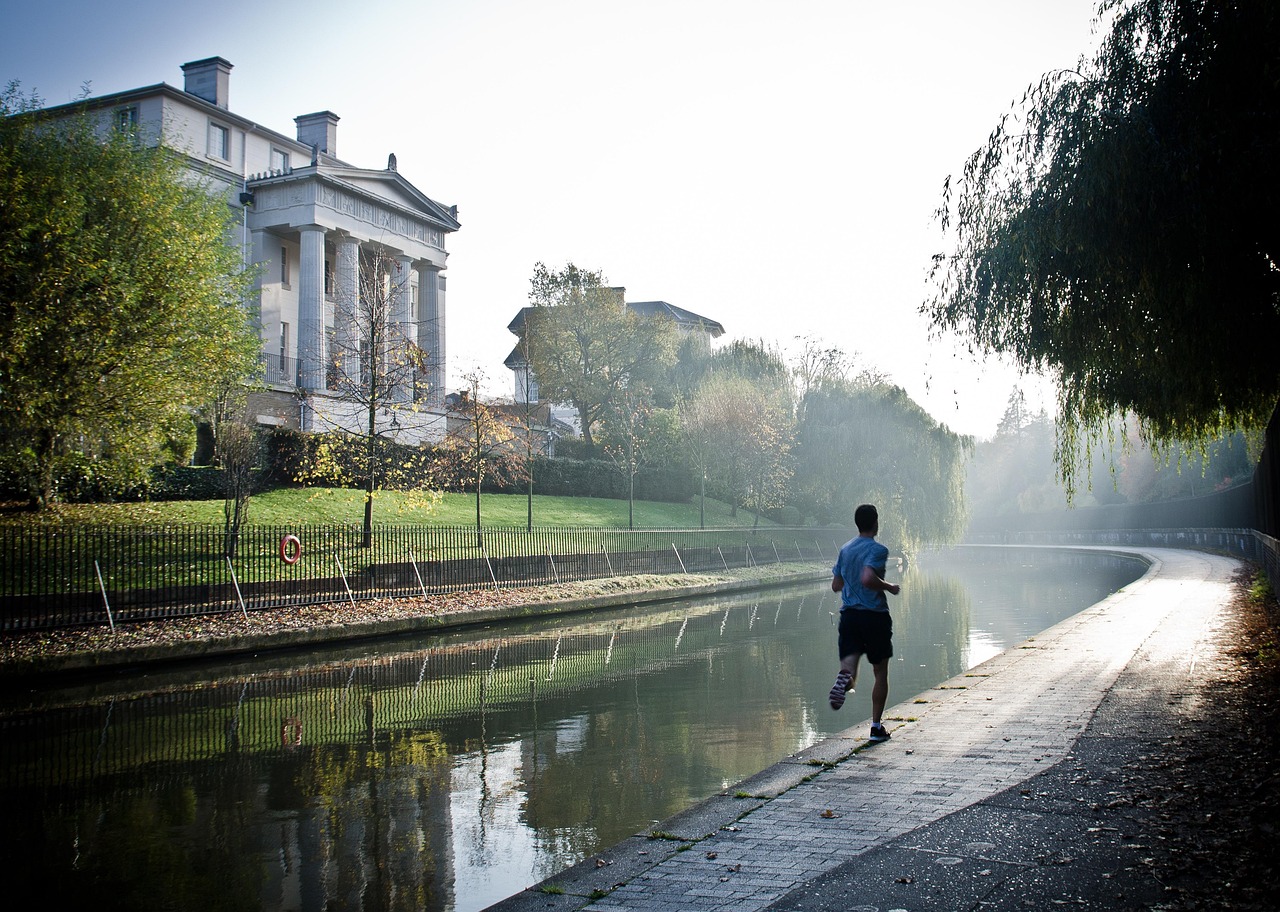
If you've ever been out on the towpath before seven in the morning, you've seen them: the runners. Not the race-day crowd with numbered bibs and timing chips, but the quiet regulars — the woman who does the same out-and-back every Tuesday, the retiree who jogs to the third lock and walks the rest, the pair of friends who talk the entire way and somehow never seem out of breath.
There's no official club, no membership, no group chat (as far as anyone admits). But over the past couple of years, a loose dawn-running culture has taken root along the canal, and its growth tells you something about what the towpath offers that a gym can't.
For one thing, the surface. The towpath's packed gravel and stone dust is forgiving on knees in a way that pavement isn't, without the unpredictability of a woodland trail. It's flat, which makes it friendly to beginners and to anyone coming back from injury. And it's continuous — you can run for miles without a single traffic light or a single car.
The Case for Running Slow
Ask the regulars why they run here and you'll hear a consistent theme: the canal slows you down, in the best way. There's no leaderboard on the water. The herons don't care about your pace. Runners who once chased personal bests on city streets describe easing into a gentler rhythm on the towpath, one that leaves them less wrecked and more likely to come back the next day.
The scenery helps. You pass moored narrowboats with woodsmoke curling from their chimneys, mallards shepherding ducklings along the edge, and the occasional early-rising angler who nods as you go by. In spring, the hedgerows on the inland side fill with birdsong. In winter, frost makes the whole corridor look like it's been dusted with sugar. It's the kind of route that gives your mind something to do besides count down the minutes.
There are practical advantages too. The towpath is linear and easy to navigate, so you always know where you are. Water fountains have appeared at a couple of the locks, and the café at the marina opens early enough on weekends to serve as a finish line. And because the path is shared, there's a built-in etiquette that keeps things civil: runners yield to walkers, everyone yields to the occasional cyclist, and nobody blasts music out loud.
Getting Started Without Overthinking It
If you've been meaning to give it a try, the regulars offer the same advice in different words: start embarrassingly small. Run to the next bridge, walk to the one after that, and turn around. Do it twice a week. Don't buy anything except shoes. The canal will handle the rest.
One caution worth repeating: sections of the towpath flood after heavy rain, and the surface can be slick near the locks. Check conditions after storms, and don't be a hero about puddles. Also, dawn is beautiful but dim — a small clip-on light costs almost nothing and makes you visible to cyclists coming up behind you.
Beyond fitness, there's something else the morning runners mention, almost as an afterthought. The canal at dawn belongs to everyone and no one. It's the quietest, kindest part of the neighborhood, and starting your day there changes its shape. That's harder to measure than a split time, but it might be the real reason they keep coming back.