
 A look at the dawn running culture that's quietly grown along the canal, and why the towpath beats the treadmill.
The Heron That Has Decided It Lives Here Now
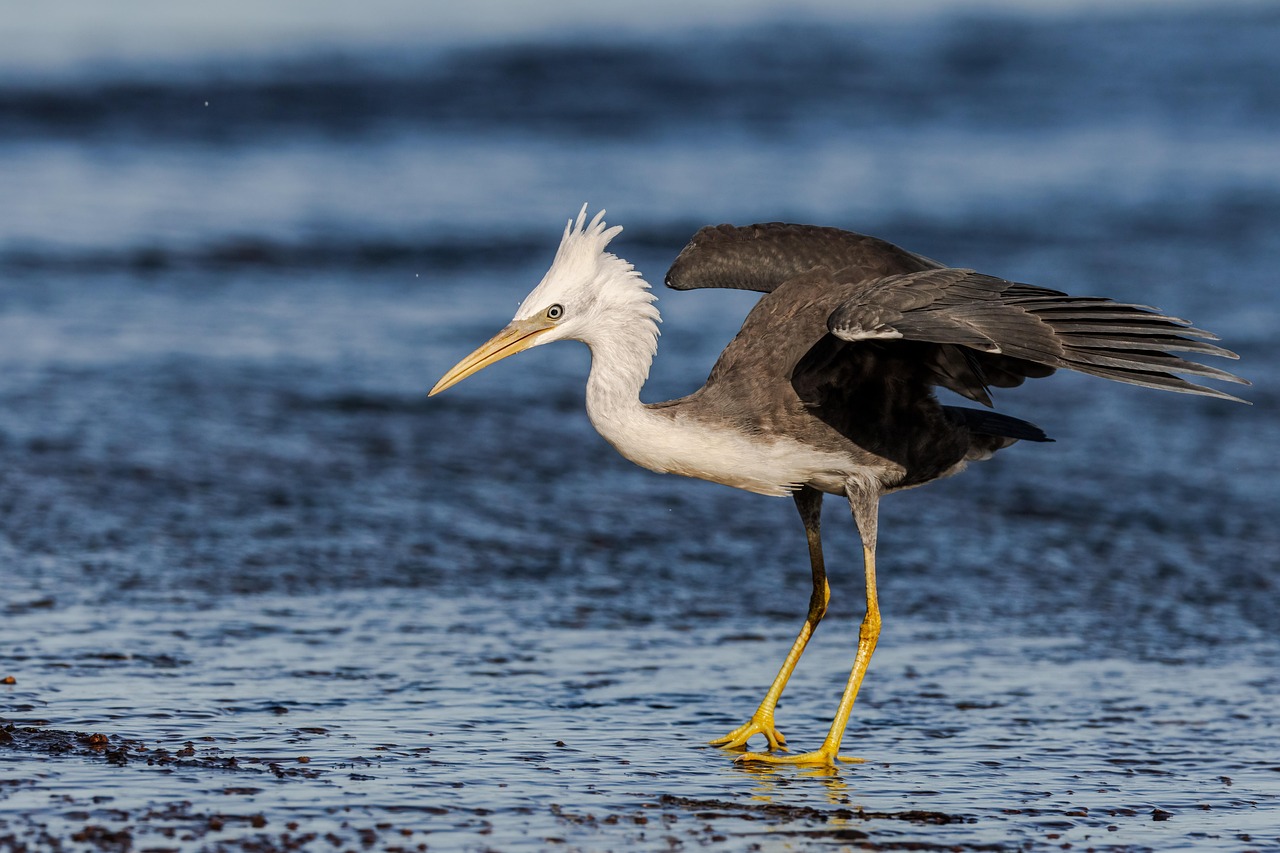
There's a heron at the marina, and it has opinions. It stands on the same mooring post most mornings, usually around seven, and it does not move for anyone. Not for the dog walkers. Not for the early cyclists. Not, apparently, for the pair of swans that have historically treated that stretch of water as their own.
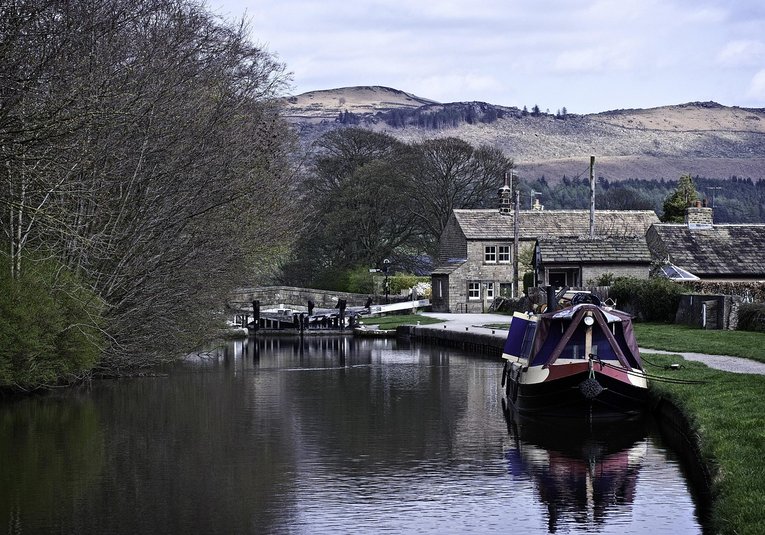
Boaters first noticed it in late summer, standing motionless on the pontoon near the pump-out station. At first everyone assumed it was passing through. Herons are common enough along the canal, but they tend to be skittish, lifting off the moment a person gets within thirty feet. This one didn't. It watched people approach, tilted its head, and went back to staring at the water.
By autumn, it had a routine. Mornings on the mooring post. Midday in the shallows near the reed bed. Late afternoon back on the pontoon, where it seems to enjoy the warmth the wooden decking holds after the sun has moved off the water. It has a favorite fishing spot just downstream of the lock, where the current slows and small fish gather.
A Neighborhood Adjusts
The heron's arrival has changed small things. The anglers who fish the stretch below the marina have learned to cast around it, partly out of respect and partly because it has been known to help itself to a catch left unattended on the bank. One regular said he lost a roach to the bird last month and now keeps his keepnet closer.
Dog owners have adapted too. Most of the dogs ignore it. A few do not, and their owners have learned to shorten leads on the approach to the pontoon. The heron, for its part, seems unbothered by barking. It has been known to stand its ground while a terrier strains at the end of a lead a few feet away.
The swans have been less accommodating. For a few weeks there was a standoff of sorts, with the heron on the pontoon and the swans circling in the water nearby, necks curved. Eventually the swans moved their nesting territory a hundred yards upstream, which the marina's residents took as a diplomatic resolution.
Children on the towpath have named it. The current favorite, according to one parent, is Gerald, though a rival faction prefers Henry. The marina office has stayed neutral.
Why It Stayed
Herons are adaptable birds, and canal corridors suit them well: shallow water, plenty of fish, and plenty of perches. What's unusual is the tolerance for human proximity. Wildlife experts say individual herons vary widely in temperament, and some simply become habituated when they learn that people aren't a threat. Food availability likely played a role too. The stretch near the marina has been productive for small fish in recent years, and a resident heron has no reason to leave.
There's a lesson in that, though not a heavy one. The canal is a shared space, and it always has been — for boats, for walkers, for the people who live along it, and for the creatures that quietly decide to move in. Gerald, or Henry, has simply made himself one more resident.
If you're walking the towpath early, look for him on the mooring post. He'll be there. He always is.