
 A six-month trial will add low-level lighting to a half-mile stretch of towpath, a compromise between safety concerns and dark-sky objections.
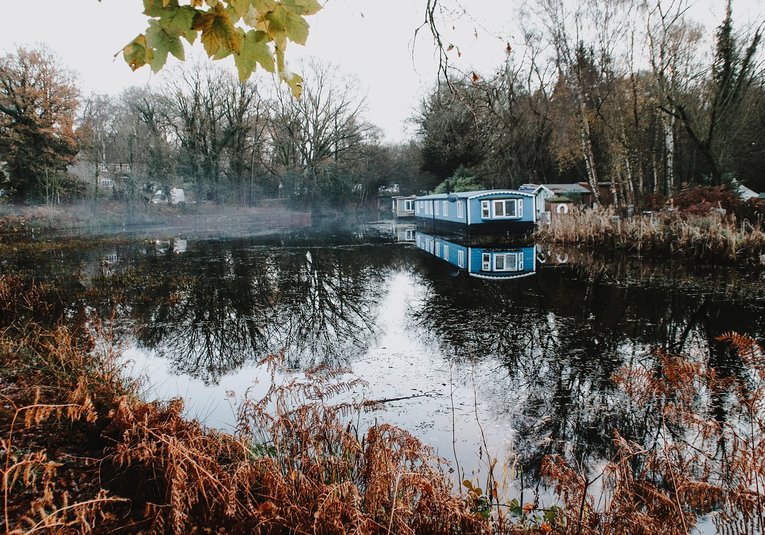
Canal Cleanup Volunteers Pull a Surprising Haul From the Water
Every quarter, a small army of volunteers gathers at the canal basin with rubber gloves, grappling hooks, and an optimism that borders on the unreasonable. Every quarter, the canal humbles them. This past weekend's cleanup was no exception, and the haul was equal parts depressing and darkly entertaining.
By mid-morning, the growing pile on the towpath included the usual suspects: drink cans, plastic bottles, food wrappers, and a truly astonishing number of single flip-flops. Then came the bigger finds. A shopping trolley, recovered near the second lock, required four people and a rope. A traffic cone surfaced with such regularity that one volunteer suggested it had become a resident. And then there was the bicycle.
Not just any bicycle — a vintage road bike, rusted but recognizably a machine someone once loved, pulled from the silt near the old wharf. The frame was seized, the tires long gone, but the badge on the head tube was still legible. It became the day's unlikely mascot, propped against the wall for photos before heading to the scrap pile with everything else.
Why It Matters More Than It Looks
It's tempting to treat the cleanup as a cheerful community ritual, and in many ways it is. There's a real camaraderie to a morning spent hauling junk out of the water, and the free tea and biscuits at the end are non-negotiable. But the volunteers are quick to point out that the work isn't just cosmetic.
Litter in the canal doesn't stay put. Plastic breaks down into fragments that fish and waterfowl mistake for food. Trolleys and bikes snag on debris, creating jams that slow the water and trap more rubbish behind them. Discarded fishing line tangles around birds' legs. Every bag hauled out is a small intervention against a problem that quietly compounds.
There's also the question of where it all comes from. Most of the litter isn't thrown into the canal directly — it blows in from streets and car parks, washes in through drains, or gets left on the towpath and blown off the edge. That's why the volunteers spend as much time on the banks as they do on the water. A surprising amount of the day's haul came from the hedgerows and the grass verges, not the canal itself.
How to Help, Even If You Hate Waders
If the idea of wading through canal silt doesn't appeal — and honestly, fair enough — there are plenty of ways to contribute. The cleanup crew always needs people on the banks, sorting recyclables, logging finds, and keeping the tea flowing. Families with kids often take the towpath sweep, which is a good way to teach children where litter actually goes.
Beyond cleanup days, the simplest thing anyone can do is pick up one piece of litter on every walk. Volunteers call it the one-piece rule, and it adds up faster than you'd think. Boaters are asked to secure their bins and never pump out over the side. Anglers are reminded to take line home. And everyone can help by reporting larger obstructions — sunken trolleys, floating debris — to the canal trust, which has the equipment to deal with them safely.
The next cleanup is already penciled in for later in the season. Details will go up on the community noticeboards and the usual neighborhood channels. Bring gloves if you have them, wear boots you don't love, and come for the morning. The canal gives a lot to this neighborhood. A few hours of giving back is the least it deserves.