
 Dozens of neighbors turned out for the quarterly canal cleanup, hauling out everything from shopping trolleys to a vintage bicycle.
The Boaters' Winter Checklist: Getting Your Narrowboat Ready for the Cold
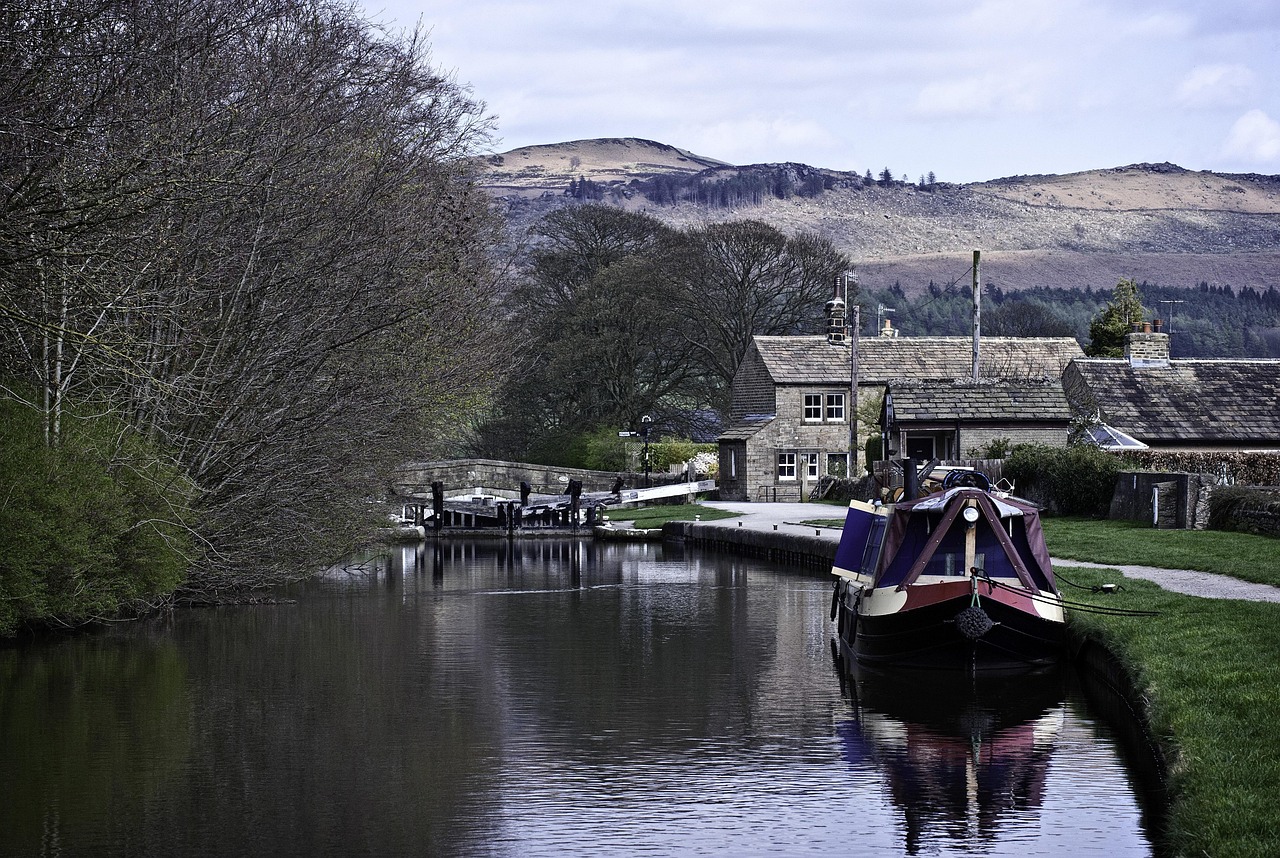
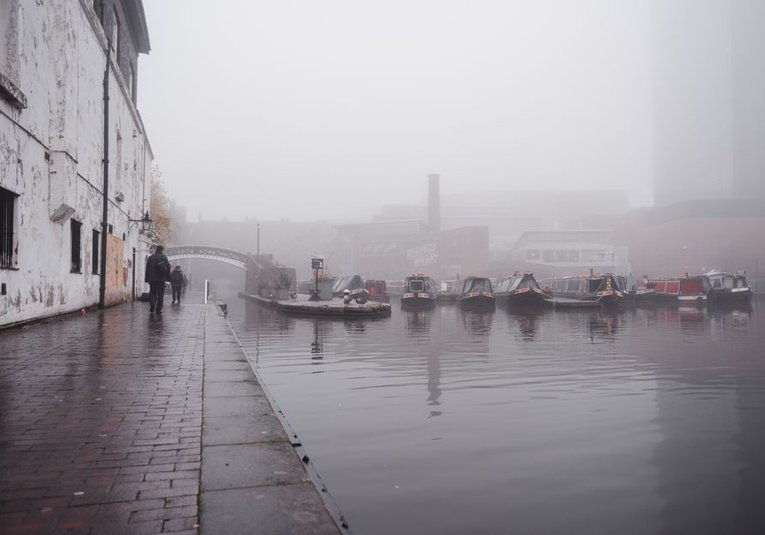
The first hard frost on the canal is always a bit of a shock. One morning the water is glassy and mild, the next there's a skin of ice in the shaded stretches and every boater on the moorings is suddenly very interested in the weather forecast. Winter on the canal is beautiful — mist off the water, low sun through bare hedgerows — but it's also the season that punishes anyone who didn't prepare.
Ask long-term boaters what matters most and they'll give you a list that's remarkably consistent, shaped by the same hard-won lessons. Here's the short version, gathered from liveaboards, weekenders, and the marina staff who've seen it all.
Start with water. The single most common winter disaster on a boat is a burst pipe, and it almost always happens because someone underestimated a cold snap. Insulate every exposed pipe you can reach, especially near the hull where the cold bites first. Lagging, foam sleeves, and a bit of strategic duct tape go a long way. If you leave the boat unattended for long stretches, drain the system properly rather than hoping for the best. The ten minutes it takes is cheaper than a flooded cabin.
Engines, Batteries, and the Cold
Diesel engines don't like the cold any more than you do. Service the engine before winter rather than after — fresh oil, a clean fuel filter, and a check of the coolant mix. Top up antifreeze if there's any doubt about its strength. If your boat will sit for weeks at a time, consider a block heater or at least run the engine regularly to keep everything moving.
Batteries are the other quiet killer. Cold reduces their capacity, and a boat that starts easily in October may refuse entirely in January. Keep terminals clean and greased, make sure the charging system is working, and if you're on a mooring without power, plan for how you'll keep the batteries topped up. Many boaters swear by a modest solar panel even in winter — the output is low, but it trickles in enough to matter.
Then there's the hull and the water around it. Ice isn't just a surface nuisance. As it forms and expands, it can press against the hull and, in bad years, damage blacking or even the boat itself. On exposed moorings, some boaters run a small bubbler or leave a gap in the ice near the stern. Others simply move to a more sheltered spot for the worst of the season. If you're on a marina berth, ask what the winter policy is — most have learned from experience.
Comfort Is Not a Luxury
Finally, the part everyone underestimates: staying warm and dry, and keeping your spirits up. Condensation is a winter-long battle on boats. Ventilate even when it feels counterintuitive — a cracked window and a working extractor fan beat a sealed cabin that turns into a swamp. A dehumidifier earns its space in a small boat, and a decent mat inside the door saves your floor from tracked-in canal water.
Heat sources need care. Solid fuel stoves are wonderful but need their chimneys swept and their fuel kept dry. Diesel heaters want clean filters and a steady fuel supply. Never improvise with a barbecue or a generator indoors — carbon monoxide doesn't announce itself. And check your smoke and CO alarms before the season starts, not after.
Beyond the practicalities, winter boaters talk about routine and company. Short daylight hours can make a moored boat feel isolated. The mooring community tends to look out for each other more in winter — checking on neighbors during cold snaps, sharing spare parts, gathering for a drink at the canalside pub when the towpath turns to mud. That mutual watchfulness is arguably the best piece of winter kit a boater can have. Prepare the boat, prepare yourself, and the cold months on the canal can be the most peaceful of the year.