
 Dozens of neighbors turned out for the quarterly canal cleanup, hauling out everything from shopping trolleys to a vintage bicycle.
What the New Pontoons Mean for Visiting Boaters
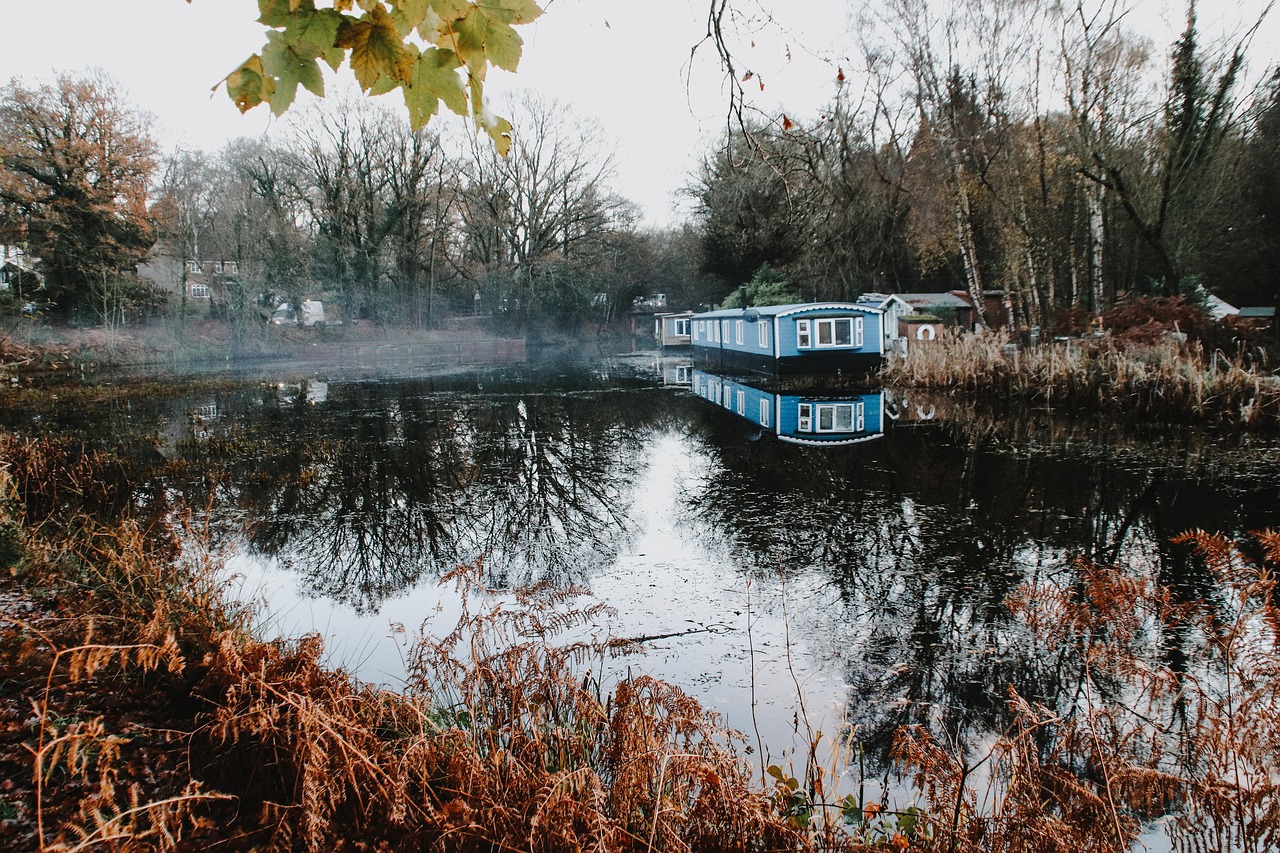
The new visitor pontoons near the wharf are officially open, and they've already changed the rhythm of the canal for anyone passing through. Sixteen mooring spaces, arranged in two rows, now sit where a stretch of crumbling piling had made overnight stays awkward for years. The pontoons are floating, which means they rise and fall with the water level, and they're fitted with cleats, mooring rings, and a small number of electrical hookups.
The project took longer than planned — most canal projects do — but the result is a genuine improvement for visiting boats. Previously, the only reliable short-stay moorings in this stretch were a handful of spots along the towpath, most of them shallow enough that deeper-drafted boats had to moor well out from the bank. The new pontoons sit in deeper water, and the approach has been dredged.
For boaters planning a trip through the area, the practical effect is that the stretch is now a realistic overnight stop rather than a place to pass through. That matters on a canal where the distance between good moorings can otherwise force a long day's cruise.
How the Moorings Work
The pontoons are managed as visitor moorings with a fourteen-day limit, which is standard for this kind of facility. There's no charge for the first forty-eight hours, after which a modest daily fee applies. Payment is handled through the same system used at other managed moorings along the canal, and a warden visits regularly to check.
Electrical hookups are limited to four berths and are allocated on a first-come basis. Boaters who need power should plan accordingly and not assume a hookup will be free on arrival. Water points are available at both ends of the pontoon, and there's a refuse compound near the wharf entrance.
One thing to note: the pontoons are not connected to the towpath by a ramp at every point. Access is via a single gangway at the eastern end, which is worth knowing if you're mooring at the far end with heavy shopping or a mobility issue.
What It Means for the Neighborhood
Visitor moorings bring visitors, and visitors bring spending. The businesses along the wharf — the bakery, the small chandlery, the pub at the top of the lane — have all said they expect to see more custom from passing boats. The pub has already extended its kitchen hours on weekends.
There are concerns too. Some residents have raised questions about noise from moored boats running generators, and about the potential for the pontoons to become de facto long-stay moorings if enforcement slips. The canal authority has said it will monitor usage and adjust the rules if needed.
For now, the pontoons are a quiet success — mostly full on weekends, quieter midweek, and a clear improvement on what was there before. Boaters passing through this spring should book nothing and simply arrive, but it's worth having a backup plan for busy summer weekends. The word is already out.